
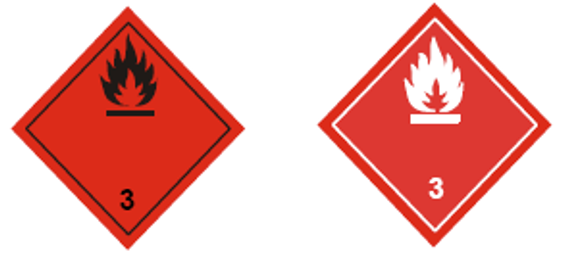
IMDG-certified shipping for paints, coatings, thinners, adhesives, alcohol-based liquids, and fragrances — with flash-point verification and summer-season space guaranteed.
What Counts as a Class 3 Flammable Liquid?
A liquid is Class 3 if its closed-cup flash point is at or below 60°C (140°F). This is a much wider category than most exporters realize — it includes not only obvious solvents and gasoline, but also paints, inks, adhesives, perfumes, alcohol-based hand sanitizers, and some cleaning products.
Flash point determines the Packing Group (PG):
Flash point < 23°C. Most strictly regulated.
Flash point 23–60°C. Most paints and solvents.
Flash point 23–60°C, higher boiling point. Mildly flammable.
Flammable Liquids We Ship
Paints & Coatings (UN1263)
Architectural paints, industrial coatings, paint-related materials. The single most common Class 3 cargo we export.
Thinners & Solvents
Paint thinners, turpentine, xylene, ethanol, methanol-based solvents (UN1993).
Adhesives & Glues (UN1133)
Solvent-based adhesives, contact cement, epoxy resins before curing.
Fragrances & Alcohol Products
Perfumery alcohol (UN1266), ethanol (UN1170), alcohol-based sanitizers, tinctures.
What Makes Class 3 Tricky
Shipping Paints, Solvents, or Alcohol Products?
Send us your MSDS. We verify flash point, packing group, and carrier availability within 4 business hours.
Request Free Quote →Class 3 Flammable Liquids FAQ
Are water-based paints classified as Class 3?
Water-based latex paints are usually not Class 3 (flash point above 60°C). Solvent-based paints and oil-based coatings almost always are. We confirm based on the MSDS.
Can Class 3 liquids ship in LCL consolidation?
Yes, but segregation with other cargoes must be verified. We review every LCL booking for compatibility before stuffing.