
Safe IMDG shipping for acids, bases, sodium hydroxide, bleach, and electroplating chemicals — with UN-spec packaging and acid/base segregation enforced on every booking.
What Are Class 8 Corrosives?
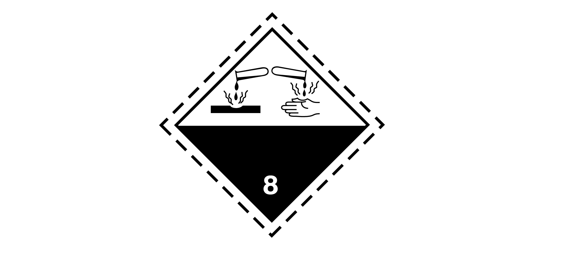
Class 8 materials cause visible destruction or irreversible alteration of skin tissue on contact, or materially contribute to the corrosion of steel. They include both acids (low pH) and bases / alkalis (high pH). The key danger in ocean shipping is leakage: a leaking acid or base can damage the container and every other cargo inside.
Corrosive Cargoes We Ship
Acids
Sulfuric acid (UN2796 / UN1830), hydrochloric acid (UN1789), phosphoric acid (UN1805), acetic acid (UN2790), battery fluid. Shipped in UN-approved plastic drums or IBCs.
Bases / Alkalis
Sodium hydroxide solution / caustic soda (UN1824), solid caustic flakes (UN1823), potassium hydroxide, ammonia solution (UN2672).
Bleach & Disinfectants
Sodium hypochlorite (UN1791), bleach solutions, disinfectants with high pH.
Electroplating & Industrial Chemicals
Various metal-treatment and surface-treatment chemicals classified as Class 8.
Non-Negotiable Shipping Rules
Shipping Acids or Bases?
Send us your MSDS and we'll confirm packaging, segregation, and carrier options within 4 business hours.
Request Free Corrosives Quote →Class 8 Corrosives FAQ
Can acids and bases be shipped in the same container?
No. Acids and alkalis must be separated under IMDG segregation rules. We book them in separate containers or verify compatible stowage only if the IMDG Code explicitly allows it.
What packaging is required for corrosive liquids?
UN-approved plastic drums or IBCs compatible with the specific chemical. Steel drums are not acceptable for most acids and bases due to corrosion risk.